
Digital Entertainer
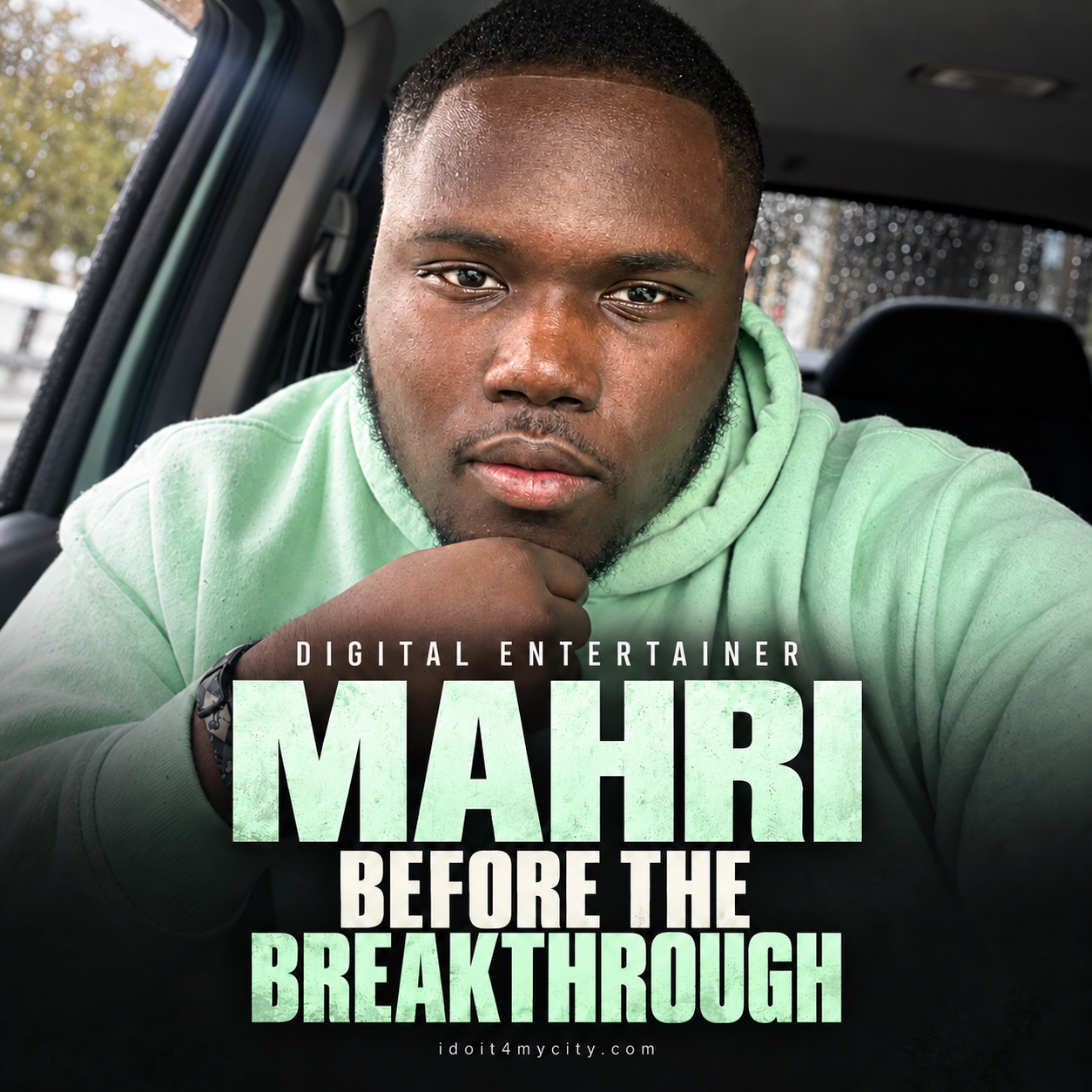
Mahri: Before the Breakthrough
In Gainesville, the streamer and self-published author is balancing two jobs, fatherhood and a growing creative ambition—with plans for a platform that could eventually open doors for others.
#iDoit4mycity Media · October 16, 2026
Gainesville was not Mahri’s first choice. When he began considering a fresh start, he thought about returning to Troy, Alabama, a place where he had studied, built friendships and found people who believed in him.
But Troy meant being roughly four hours away from his daughter.
He had already lived with that distance. When she was a newborn and he was still in Alabama, he would drive back to Florida on Fridays to spend time with her. Whatever his next chapter became, he wanted more room in it for being her father.
So he chose Gainesville.
For the streamer and content creator building Mahri Entertainment, that decision explains more than where he lives. It explains what he wants his work to make possible: a different financial future, a career of his own and the ability to remain close to the person who gives those ambitions their urgency.
He is still working toward that future. His account of the journey includes regular jobs, small audiences, financial pressure and plans to finish his education. The entertainment career is taking shape alongside those responsibilities, not after they have disappeared.
Finding room to create
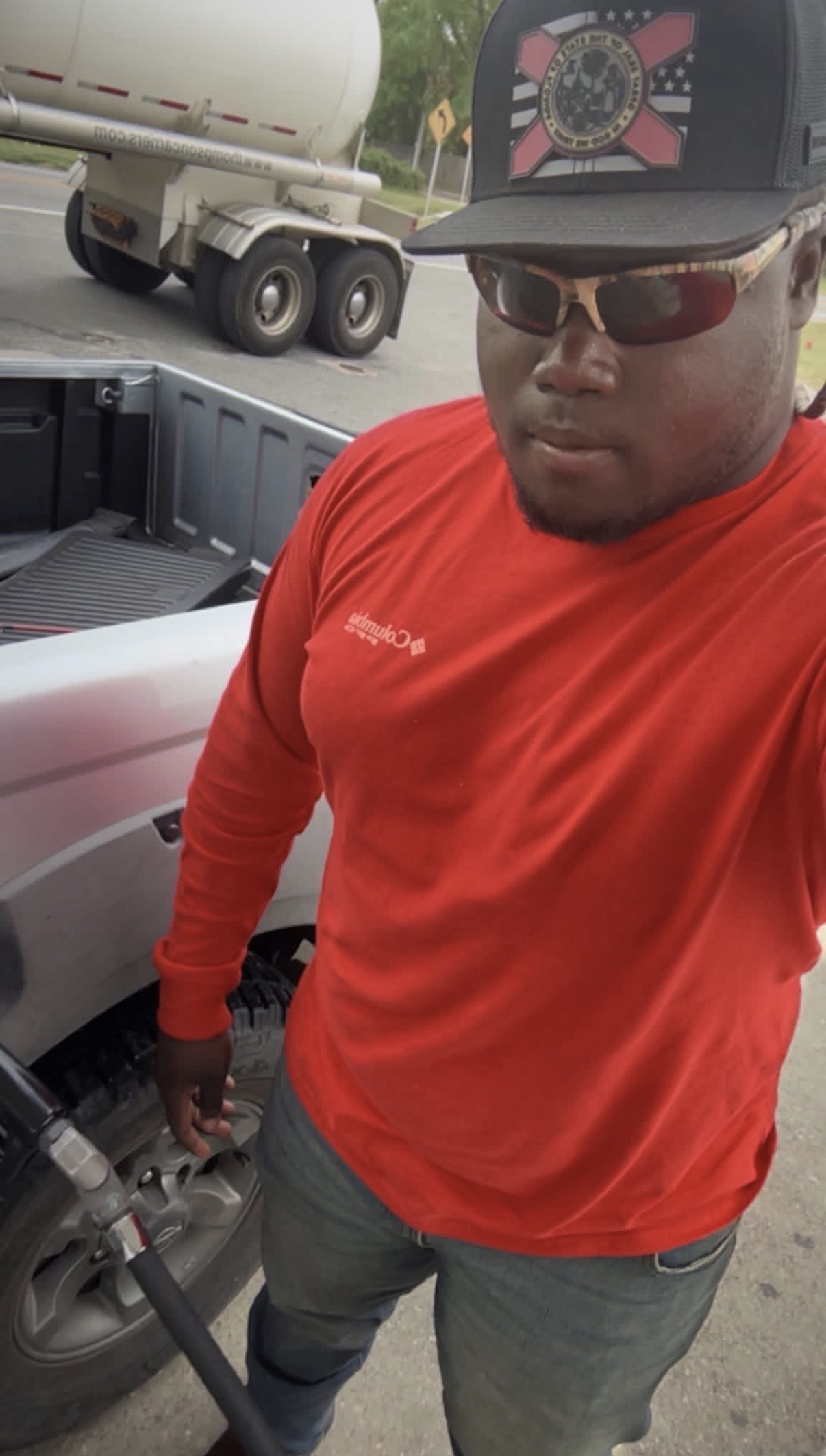
Before moving, Mahri worked for the Hamilton County Road Department in Jasper, Florida, and took on a side job for his pastor. He wanted a change, but he understood that a new address would not relieve him of the work required to support himself and his daughter.
Gainesville offered something he felt he had been missing: access to a large college community, downtown activity and opportunities to create around other people. He saw the city as somewhere he could take streaming seriously while remaining nearby as a father.
His stepbrother encouraged him to try. A successful streaming career, he suggested, could eventually mean something beyond an audience. It might mean Mahri no longer needed two jobs to make ends meet.
The turning point, Mahri says, came when he changed how he approached the work.
“My first real turning point in Gainesville was when I stopped treating streaming like something I just wanted to do and started treating it like something I was actually going to build.”
He began planning content, becoming more consistent and reaching out for collaborations, even while his numbers were small. Seeing viewers return gave him confidence. There were people choosing to come back, interact and take an interest in what he was making.
That mattered before any larger opportunity arrived.
The week behind the stream
In the weekly routine Mahri described for this story, Monday through Thursday includes an approximately hourlong commute from Gainesville to Jasper for work. He aims to post two or three clips a day across his social platforms. Thursday through Saturday, he streams. Fridays and Saturdays also include work for his pastor.
Sunday is for church and time with his daughter.
He is also working toward returning to school and finishing what he started at Troy University. Those plans remain part of his future, alongside streaming, rather than something he has written off.
The schedule can be exhausting. He describes nights spent editing and clipping content until five in the morning, then having to find the energy to continue. Bills and child support remain real obligations while he tries to establish a career that does not yet replace his regular work.
He also wants people to understand that paying child support and being an involved father are not mutually exclusive. Being present is a priority he returns to throughout his account.
Growing up, he says, his own father was not consistently there. They have since repaired their relationship, but the experience shaped how Mahri thinks about raising his daughter. He wants her to have opportunities he did not have, without making his pursuit of those opportunities the reason she rarely sees him.
The moments he describes most affectionately are simple: watching her run around, seeing her smile when she recognizes him and hearing her call him Daddy.
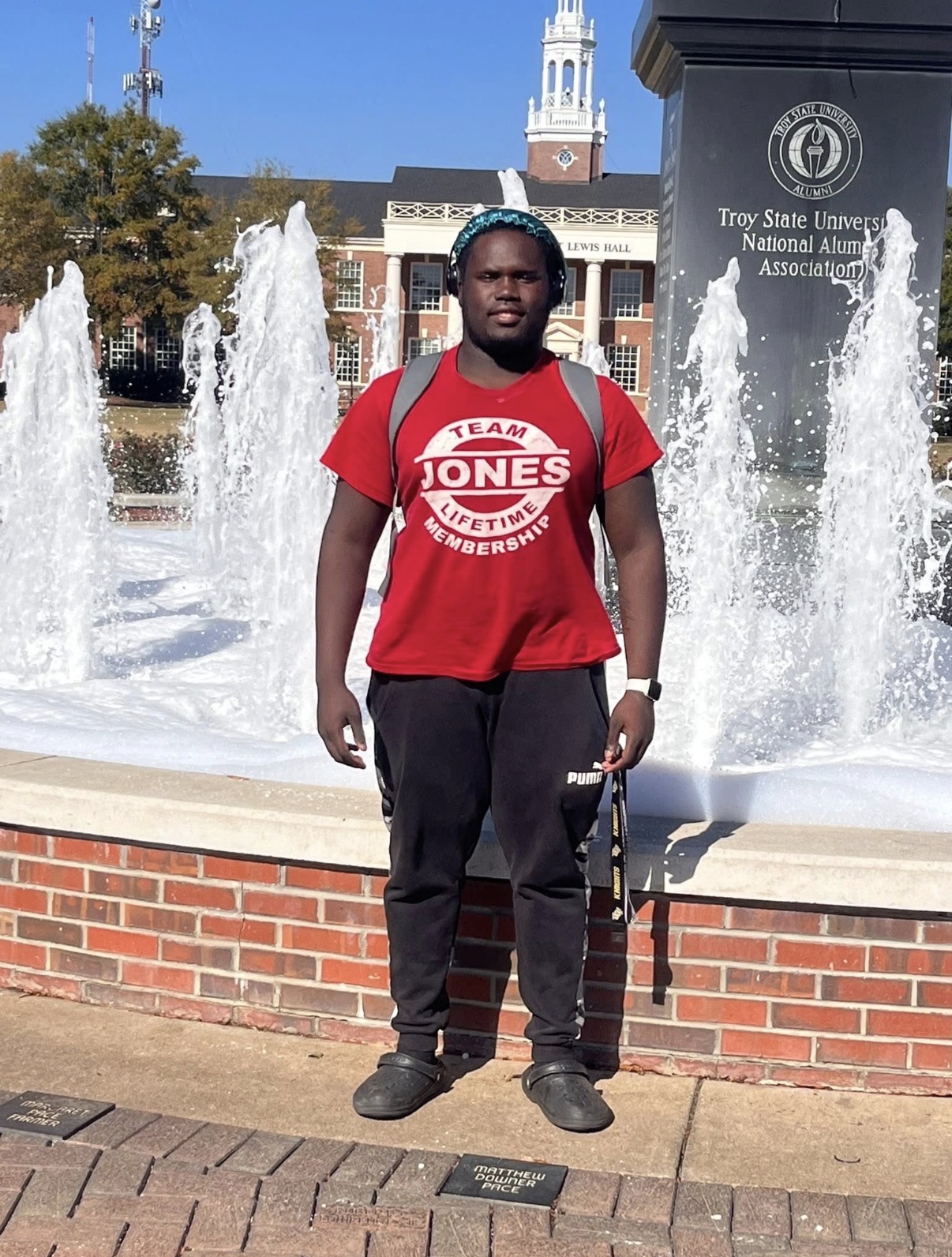
What he carried from Troy
Mahri’s memories of Troy extend well beyond the classroom.
He says he earned a 4.0 and made the university’s Chancellor’s List, an achievement that challenged doubts he had carried about his academic ability. Growing up in trailer parks, he had not always applied himself or believed he belonged among students he considered more capable. His approach began changing in high school, when he started thinking seriously about his future.
At Troy, academic success gave him a different measure of himself. The people he met helped shape his ideas about the man he wanted to become.
He singles out Tiffany Siler in financial aid, whose support included conversations about life and fatherhood. He also remembers Paula Rushing and the women in financial aid and the control room who gave him opportunities to work, offered advice and looked out for him.
Other relationships began away from campus. Daniel, the man who sold him his truck, became a friend. When his daughter was about to be born, Mahri says Daniel made sure he had transportation from Alabama to the hospital in Gainesville.
These are the people he chooses to name when asked about his education. Their practical help mattered, as did the experience of being taken seriously as a young man preparing to become a father.
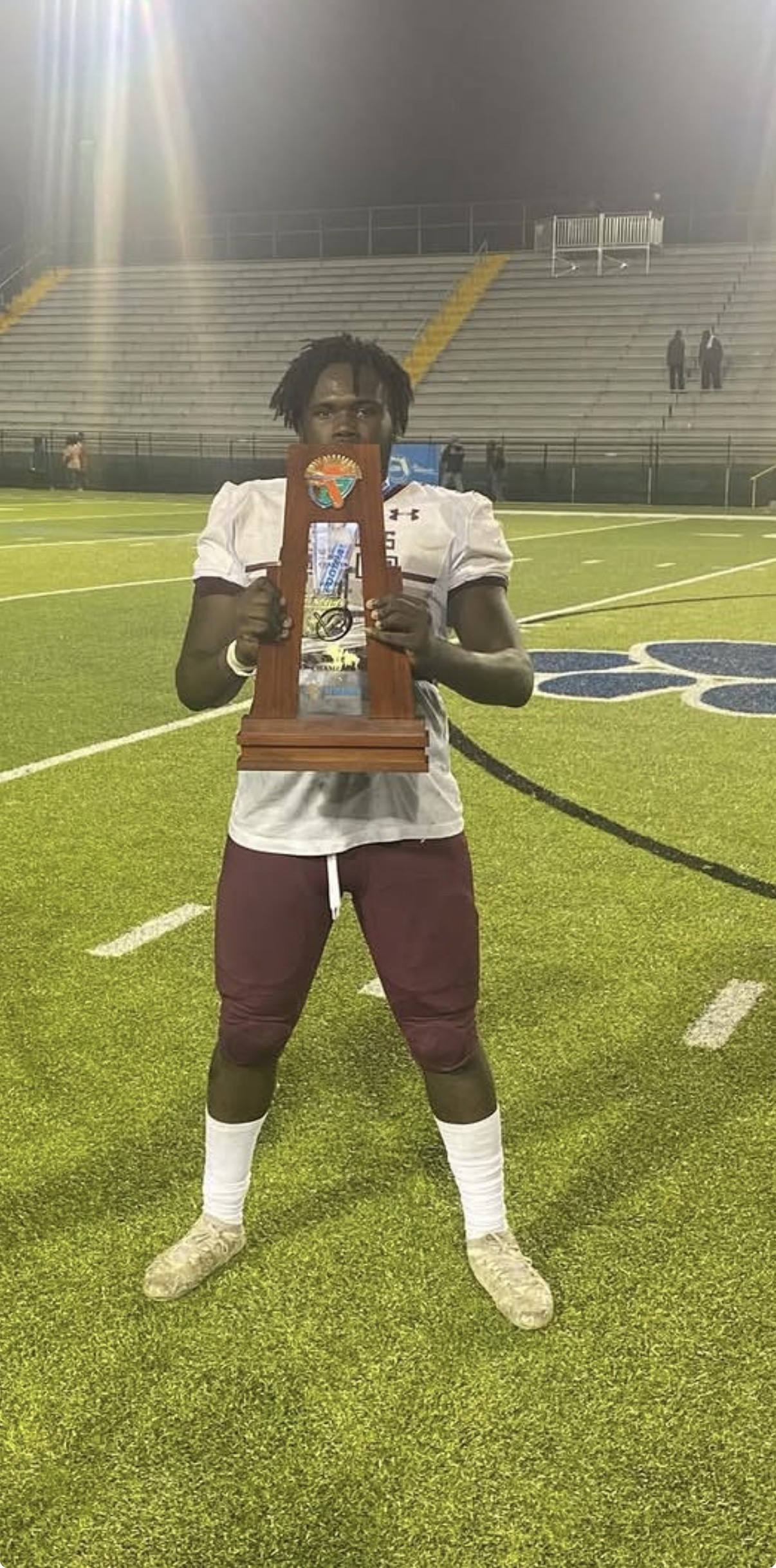
His athletic background supplies another point of reference. He credits his experience winning a state championship with teaching him that the public result comes after the less visible work: practice, setbacks and showing up when tired.
He applies that lesson to streaming. A disappointing broadcast or a clip that fails to find an audience gives him something to examine and improve, rather than a final judgment on whether he should continue.
Writing his own account
Before the ambitions for a larger entertainment platform, there was a conversation on a porch.
After graduating from high school in 2022, Mahri was dealing with a setback when he spoke with his child’s mother about writing. She told him about the pleasure she found in keeping a journal. He mentioned that he had been thinking about a book.
He recalls her encouraging him to write about his life and what he had experienced.
The result was his self-published book, God Doesn’t Make Any Mistakes, which he describes as an account of his upbringing, mistakes, difficult periods and relationship with God.
Faith is central to how he tells that story, but he does not describe an uninterrupted path. He talks about losing focus, returning to church and trying to rebuild himself as both a man and a father.
There were days, he says, when he cried and slept in his truck, thinking and praying. He remembers asking God, “You know my heart. What should I do?”
Returning to church each Sunday became part of moving forward. It did not mean he suddenly had everything figured out.
Writing allowed him to put those experiences into something he could finish and share. When he submitted the book to Apple, he remembers feeling relief: “Okay, my story is really out there now.”
The responses that stayed with him were personal. Readers told him they connected with his experiences or felt encouraged to write about their own lives. For Mahri, publishing meant taking ownership of his story without pretending he had always made the right decisions.
Learning to be Mahri on camera
His content gives him room to express a different side of himself.
Mahri describes a mix of reactions, conversations with viewers, collaborations, comedy and IRL—real-life—streams. He wants the freedom to experiment rather than become known for only one format.
One of his favorite pieces is a skit called “Mean Step Dads,” in which he plays both characters. He enjoys building a comic situation from an ordinary idea and performing the personalities himself.
Another is his “Black Morgan Wallen” character, which he says grew out of having fun and leaning into his personality. He acknowledges criticism but says the positive response has outweighed it.
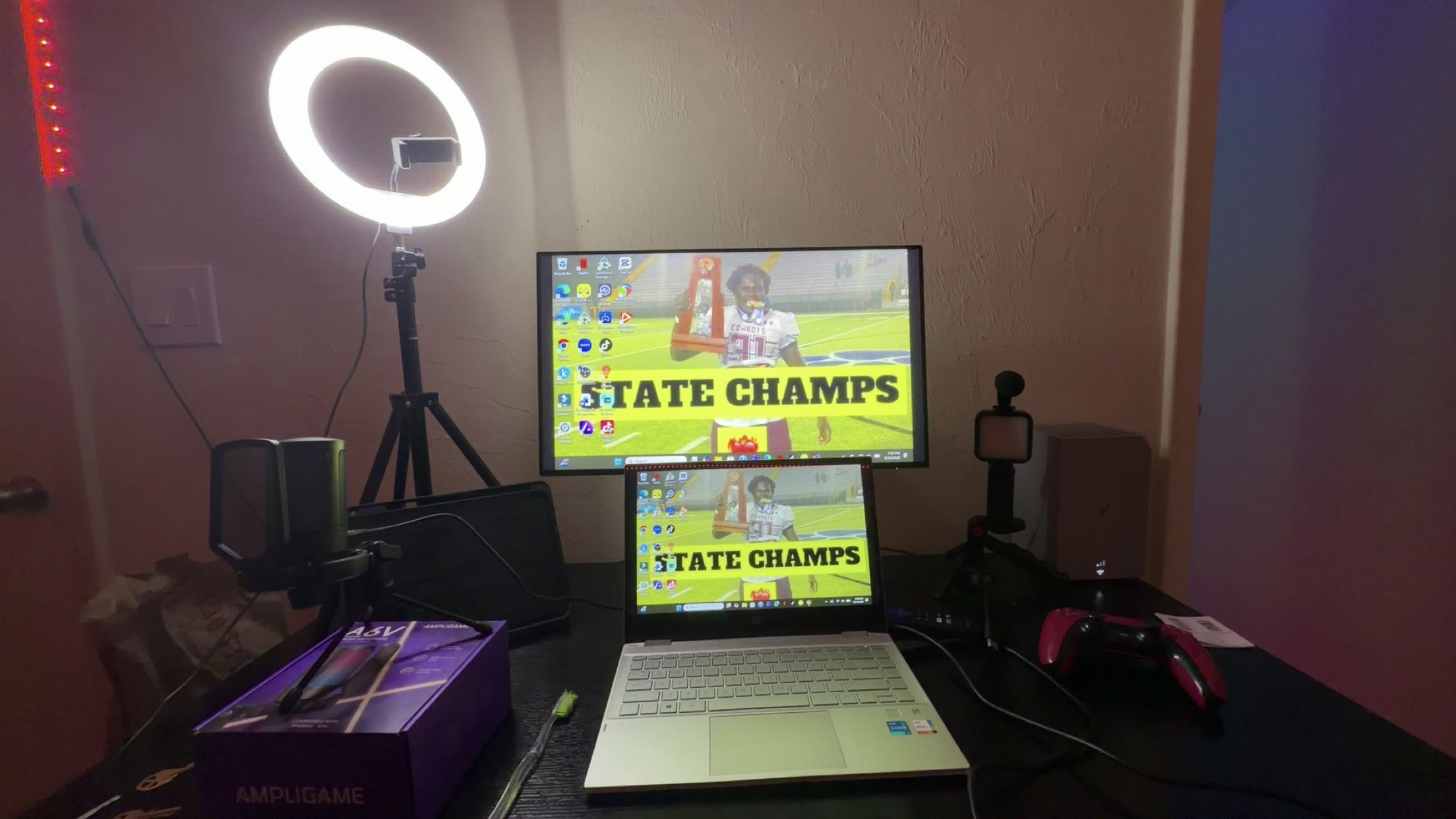
His first home stream from his apartment remains important for a quieter reason. It helped him become comfortable speaking on camera and knowing that people elsewhere were watching and listening. Its value was not that it became his biggest broadcast. It was part of learning how to be himself in front of an audience.
He wants viewers to feel acknowledged when they join the chat. In his account, the relationship is built through that interaction and through allowing people to see the unfinished process: the jobs, the ideas, the broadcasts that work and the ones that do not.
People following now are watching him try to build a career, not encountering a finished success story.
Watch Mahri on YouTubeFor more stories from #iDoit4mycity Media, join the City List.
A platform with room for someone else
Mahri’s ambition for Mahri Entertainment goes beyond his own channel.
He wants to develop a streaming and entertainment platform that works with established creators while making space for people seeking their first opportunities. His plans include interviews, shows, skits, streams and a team that can grow together.
He also wants emerging creators to learn the less visible parts of the work: marketing themselves, developing an identity, staying consistent and approaching potential collaborators professionally.
Those are aspirations he is still working toward. They come from his own experience of creating for a small audience and wondering whether anyone is paying attention.
“If Mahri Entertainment becomes successful, I don’t want to be the only success story that comes from it.”
Attending Kai Cenat’s Streamer University is another goal. But Mahri does not want his progress to depend entirely on selection for one opportunity. He wants to improve the work, grow a returning audience, develop collaborations and build something that can eventually support him and his daughter.
Finishing his education belongs in that picture, too.
For now, he measures progress in whether he is further along than he was a few months earlier. He continues working while the outcome is uncertain.
“I can’t control when the opportunity comes, but I can control whether I’m prepared when it does.”
The reason for making that effort returns him to the decision that brought him to Gainesville. A career would matter. So would being there while his daughter grows up.
“One day, I want my daughter to be able to look back and know that her dad didn’t just tell her to chase her dreams—she watched him fight for his while still showing up for her.”
CONNECT WITH MAHRI
MORE PEOPLE. MORE STORIES. MORE CITY.
Discover the people building something in their communities. Join the City List for more stories from #iDoit4mycity Media.